Services / Sleep Apnea Treatment

Sleep Apnea and Snoring Treatment

Loud snoring, gasping during sleep, or persistent daytime tiredness deserves an assessment. For some patients, a custom oral appliance is part of treatment.

Understanding obstructive sleep apnea

What Is Sleep Apnea?

Obstructive sleep apnea (OSA) happens when the soft tissues of your throat relax and collapse during sleep, repeatedly blocking your airway — sometimes hundreds of times a night. Each blockage jolts your body out of deep sleep to restart breathing. The result: daytime tiredness, and over time, elevated risk for high blood pressure, heart disease, stroke, and diabetes. Snoring is often the loudest warning sign.
Request an Appointment

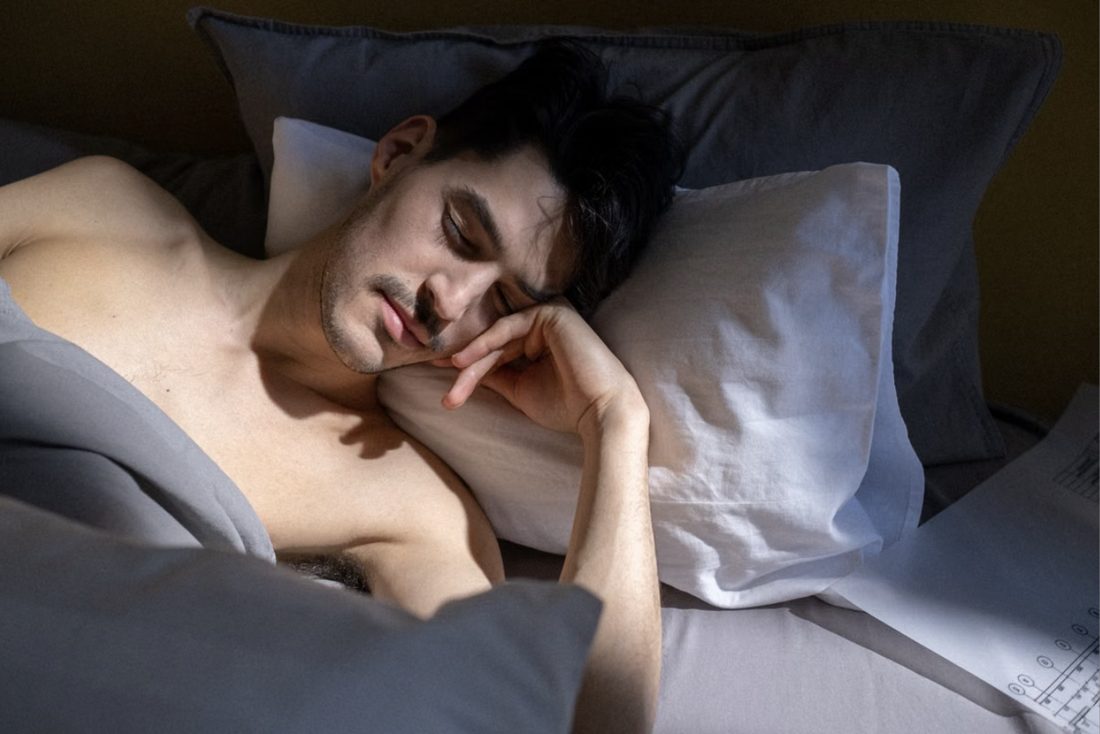
Man resting in bed at night

Symptoms worth taking seriously

Warning Signs
  • Loud, persistent snoring, sometimes noticed by a partner
  • Gasping, choking, or pauses in breathing during sleep
  • Waking unrefreshed no matter how long you sleep
  • Daytime sleepiness, brain fog, or irritability
  • Morning headaches or a dry mouth on waking
  • Nighttime teeth grinding — apnea and grinding often travel together
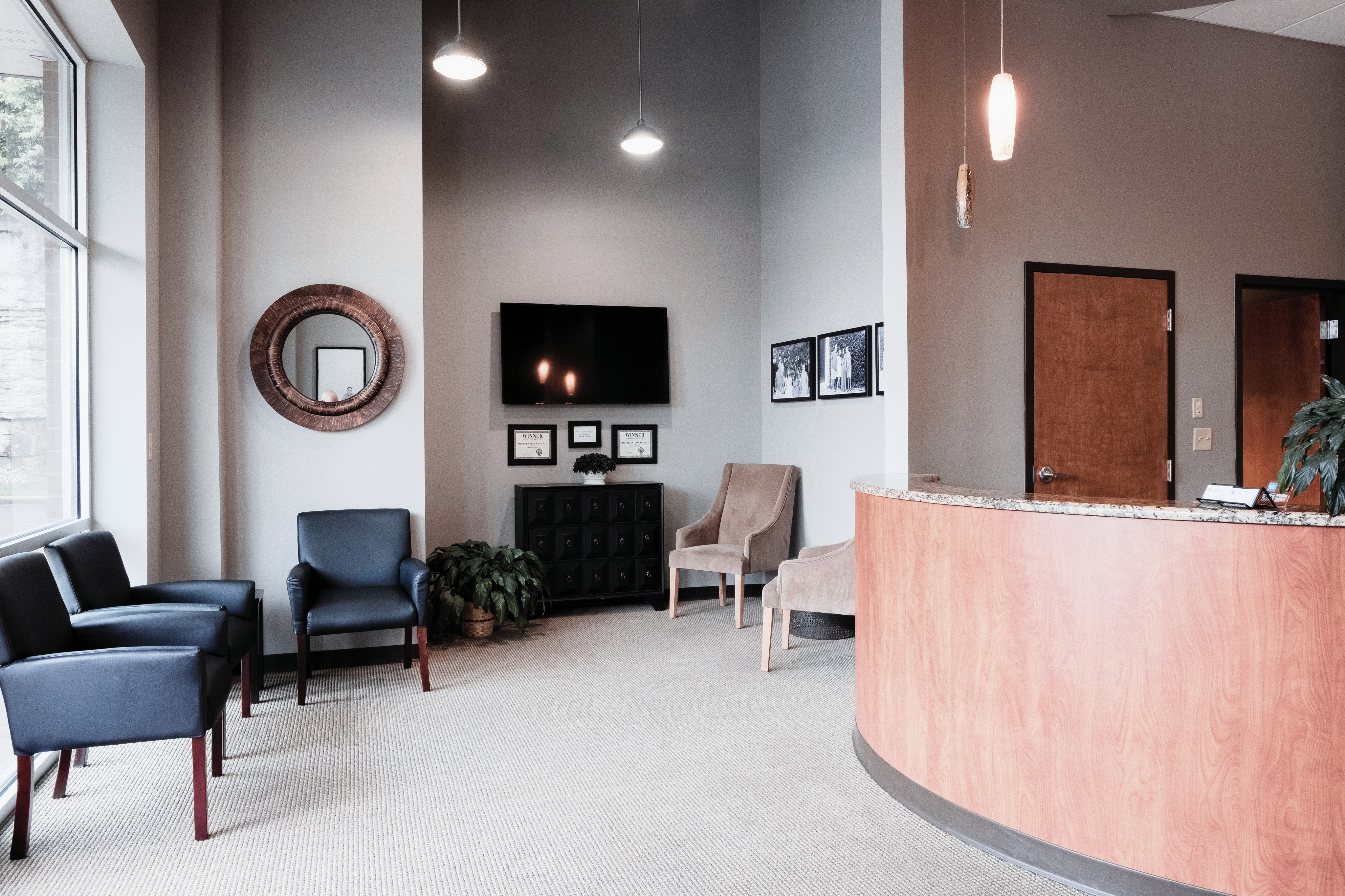
Reception and waiting area in our Mt. Juliet office

What to expect

The Treatment Process
1

Screening and Referral

We screen your symptoms, airway, and tooth-wear patterns. Diagnosis of sleep apnea requires a sleep study, so we coordinate with your physician or a sleep specialist.

2

Custom Oral Appliance

If your sleep clinician recommends oral appliance therapy, we fit a custom device designed to hold your lower jaw forward and help keep the airway open. Suitability depends on your diagnosis and dental assessment.

3

Fitting and Adjustment

We fit the appliance and adjust it gradually, monitoring your comfort and symptoms. Tell us about jaw discomfort, tooth pain, or bite changes.

4

Follow-Up

We monitor the appliance, your teeth, and your bite over time. Follow-up with your sleep clinician, including recommended sleep testing, checks how well treatment is working.

Snoring with or without sleep apnea

Snoring Without Apnea

Snoring can occur with or without sleep apnea. A medical assessment helps distinguish the two. If primary snoring is diagnosed, your clinician may recommend an oral appliance; results vary and follow-up remains important.

Common questions about sleep apnea

Do I need a sleep study first?
Yes — sleep apnea is a medical diagnosis that requires a sleep study (many can now be done at home). We'll help coordinate it with your physician, then handle the appliance side.
Is oral appliance therapy covered by insurance?
Often it's covered under medical insurance rather than dental. Our team will help you navigate the paperwork.
Will the appliance change my bite?
An appliance can cause temporary morning bite changes and, with long-term use, lasting tooth movement or bite changes. Regular follow-up helps us monitor these effects and discuss any adjustments.

Ready to sleep (and feel) better?

Discuss assessment and treatment with our team

Your preferences are saved for up to 180 days. We do not use analytics or advertising cookies.

Privacy policy